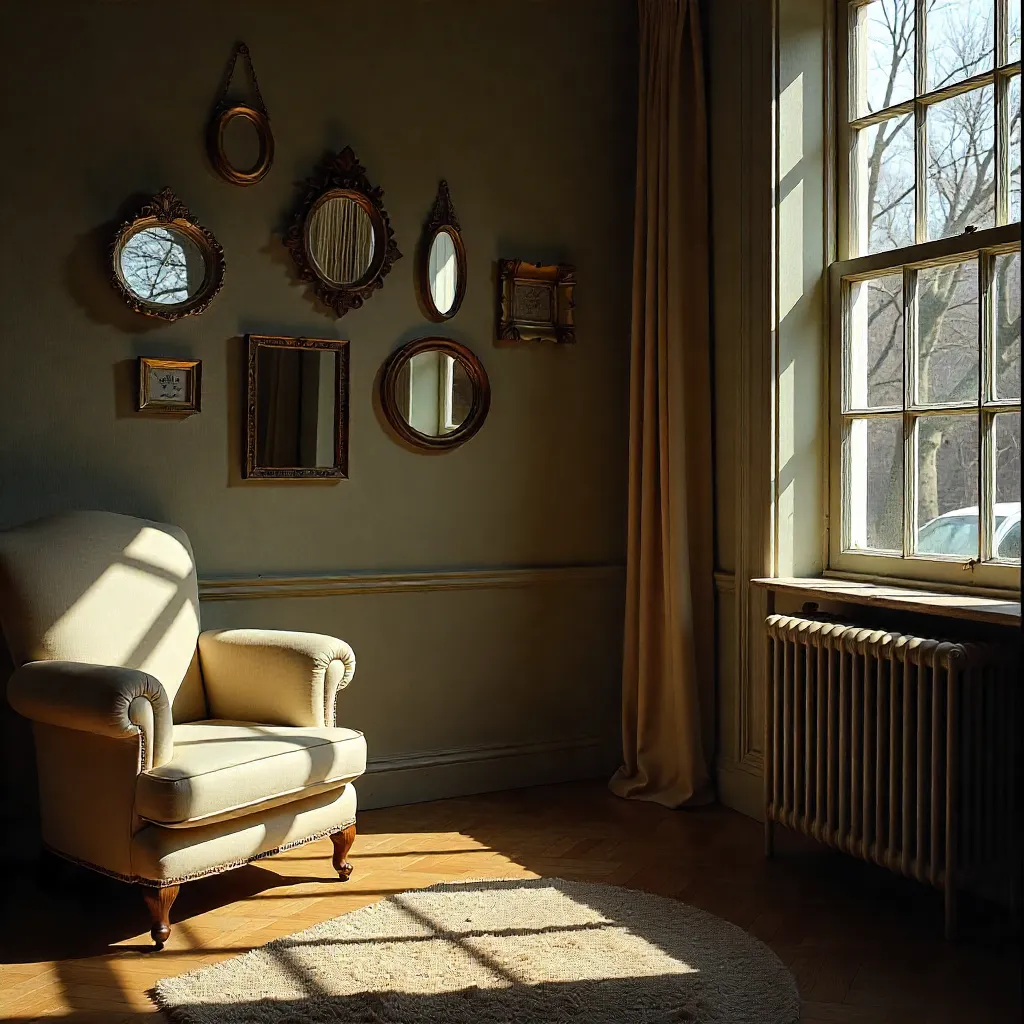
The Angle of Incidence

Understanding how light travels and reflects is fundamental to effective mirror placement. This technical gallery demonstrates the principles of specular reflection and light path optimization.

Understanding Light Paths

When sunlight enters a space, it travels in straight lines until it encounters a surface. When light hits a mirror at a specific angle, it reflects at an equal angle on the opposite side of the normal line. This principle, known as the law of reflection, governs how mirrors redirect light.

For optimal light redirection, a mirror positioned at a 45-degree angle relative to incoming sunlight can effectively redirect that light into areas that would otherwise remain dim. The angle of incidence equals the angle of reflection, creating predictable light paths.
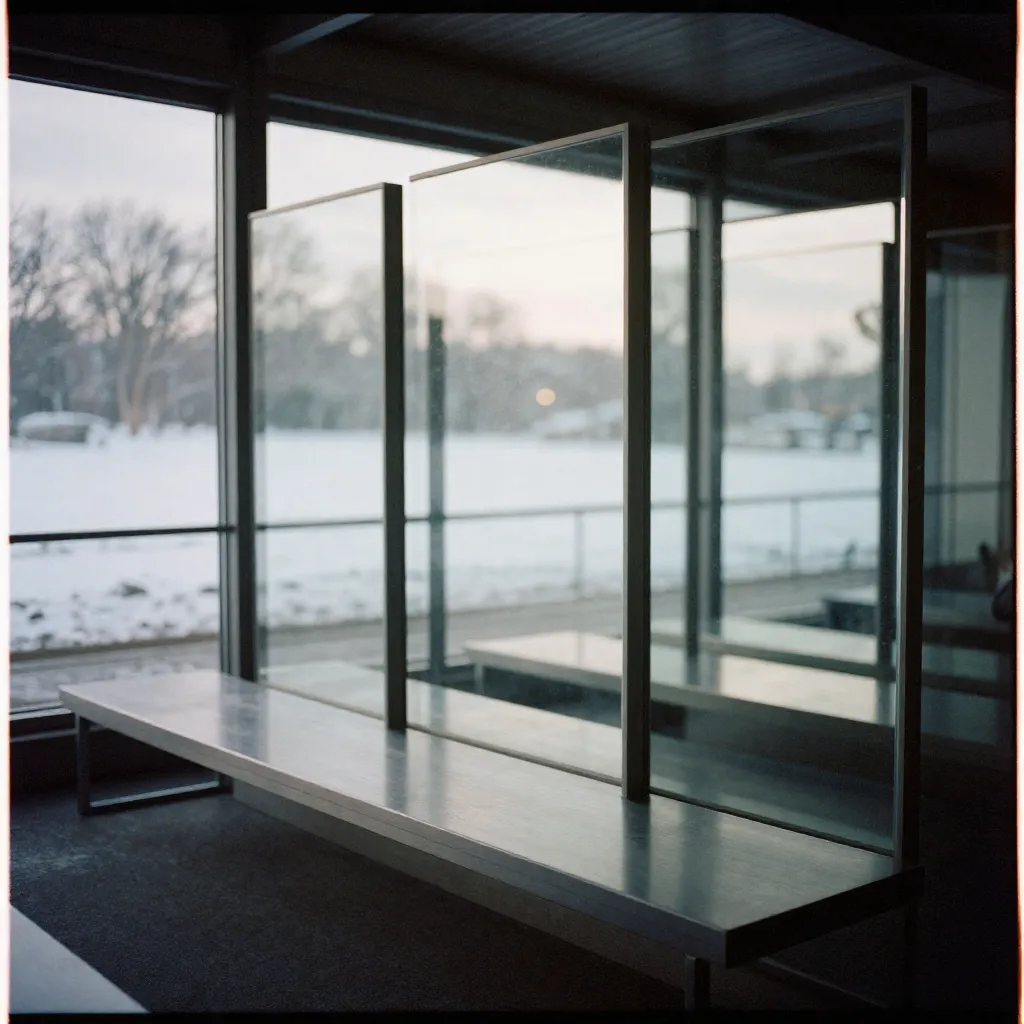

Diagram showing light path from window to mirror to hallway

Specular Reflection Explained

What is Specular Reflection?

Specular reflection occurs when light reflects off a smooth, polished surface like a mirror. Unlike diffuse reflection from matte surfaces, specular reflection maintains the light's directionality, creating a clear, focused beam.

This property makes mirrors particularly effective for redirecting light over distances, as the reflected beam maintains its intensity and direction.

Practical Applications

Understanding specular reflection enables precise mirror positioning. By calculating the angle between the light source and the target area, you can determine the optimal mirror angle.

In practice, this means positioning mirrors so they capture incoming light and redirect it exactly where needed, whether that's a reading corner, workspace, or hallway.

Calculating Optimal Angles

To determine the best mirror angle for your space, consider three key points: where sunlight enters, where you want light to reach, and the mirror's position between them. The mirror should bisect the angle formed by these three points.

While precise calculations can be helpful, practical experimentation often yields the best results. Small adjustments and observation of how light moves throughout the day provide valuable insights into optimal placement.