Solstice Strategies

As the sun's path changes throughout the year, mirror positions may need adjustment to maintain optimal light distribution. This seasonal guide provides strategies for adapting to these changes.

Understanding Seasonal Light Changes

The sun's position in the sky changes dramatically between winter solstice and spring equinox. During the darkest week of winter, sunlight enters at a lower angle and for shorter periods. As spring approaches, the sun rises higher and stays longer.

These changes affect how light enters your space and where mirrors can most effectively capture and redirect it. Understanding these patterns enables strategic mirror repositioning throughout the seasons.
The Darkest Week Strategy

Low-Angle Light Capture

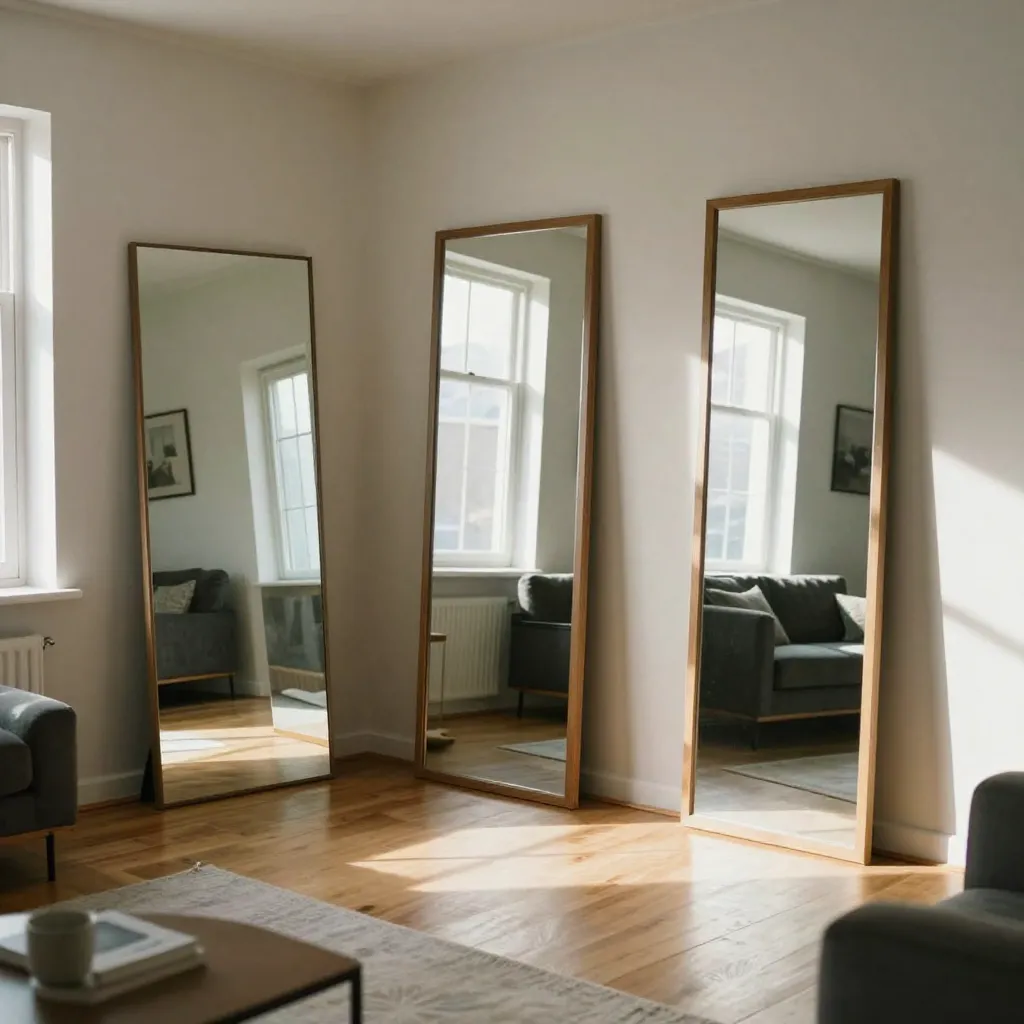
During the darkest week of winter, sunlight enters at its lowest angle. Mirrors positioned lower and closer to windows can capture this low-angled light more effectively.

Leaning mirrors or floor-standing options work well during this period, as they can intercept light that travels horizontally rather than vertically.

Layout Considerations

Position mirrors to maximize capture of the limited daylight available. Focus on windows that receive the most direct sunlight during peak hours.

Consider temporary placements that can be adjusted as light patterns shift throughout the day, ensuring continuous light redirection.

The First Spring Ray

Higher Angle Adjustments

As spring approaches, sunlight enters at higher angles and for longer periods. Mirrors positioned higher on walls or elevated surfaces can better capture this changing light pattern.

The increased daylight duration means mirrors can redirect light for extended periods, making strategic placement even more valuable.

Repositioning Strategies

Move mirrors from low positions to higher placements as the sun's angle increases. Wall-mounted mirrors become more effective than floor-standing options.

Adjust mirror angles to account for the higher light source, ensuring continued optimal redirection to target areas.

Following the Sun's Path

Leaning mirrors offer flexibility for seasonal adjustments. These portable options can be moved to follow the sun's changing path, maintaining optimal light capture as seasons transition.

Create a simple tracking system: observe where sunlight enters at different times of day during different seasons, then position mirrors accordingly. This observational approach often yields the best practical results.

Practical Implementation

Begin by observing light patterns in your space during different times of day and seasons. Note where sunlight enters, how it moves, and which areas remain in shadow.

Use this information to plan mirror placements that can be adjusted as needed. Mark optimal positions for different seasons, making repositioning straightforward when the time comes.